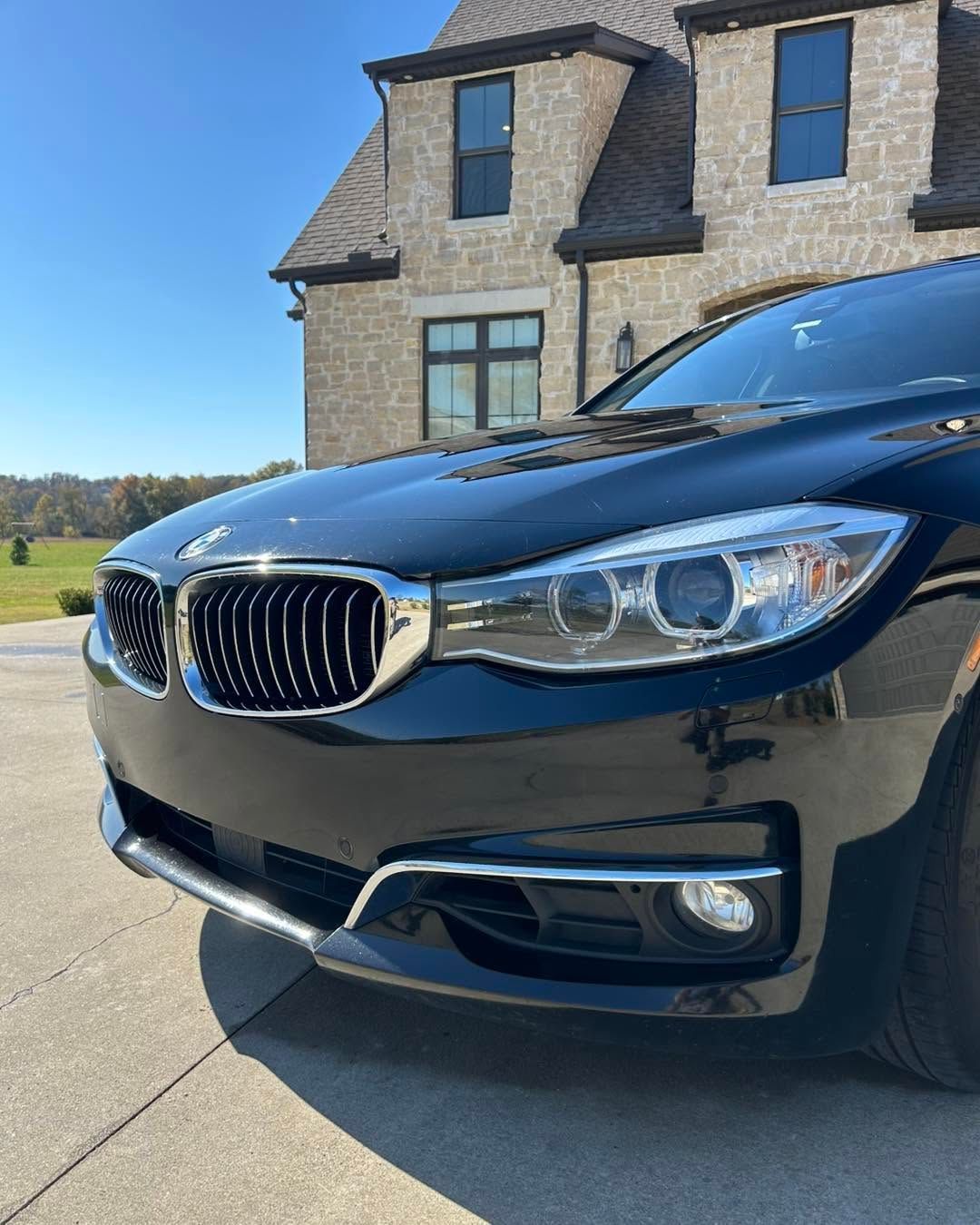

Paint Protection That Lasts Through Seasons
Ceramic Coating in Bentonville for vehicles exposed to frequent weather changes, road contaminants, and long-term ownership plans
Bentonville's seasonal shifts bring pollen accumulation in spring, intense UV exposure in summer, and road treatment chemicals in winter that all degrade unprotected paint surfaces. Ceramic coating creates a bonded layer on properly prepared paint that resists contamination adhesion and simplifies routine cleaning. NWA Precision Mobile Detailing applies ceramic coatings after thorough surface preparation removes existing contamination and ensures the protective barrier adheres correctly. Water beads tighter and rolls off treated panels instead of spreading into films that leave mineral deposits when they evaporate.
The coating itself is a liquid polymer that chemically bonds to paint at the molecular level, forming a hydrophobic surface that repels water, dirt, and environmental fallout. Application requires paint that has been decontaminated and, in many cases, polished to remove oxidation or minor imperfections that would otherwise remain locked beneath the protective layer.
Schedule a paint evaluation to determine what preparation steps are needed before ceramic coating application.
What Changes After Coating Completes
Ceramic coating application involves multi-stage surface preparation followed by careful polymer application in controlled sections. Each panel receives cleaning, decontamination using clay treatment to remove bonded particles, and often light polishing to maximize gloss before the coating liquid is applied in thin, even layers and allowed to cure.
After curing finishes, you notice that rain sheets off the hood and roof in continuous streams, bugs wipe away with minimal effort during routine washing, and the paint maintains its gloss longer between cleanings. Dirt accumulation slows because the smooth, sealed surface provides fewer anchor points for contamination to bond, which means weekly washing keeps the vehicle cleaner than bi-weekly washing did before coating.
The coating does not eliminate the need for washing or prevent all contamination, but it reduces how aggressively dirt adheres and shortens the time required for each cleaning session. Bird droppings and tree sap still need prompt removal to prevent etching, though the coating provides more time before permanent damage occurs. Coatings typically maintain their protective qualities for two to five years depending on environmental exposure and maintenance consistency.
Common Questions About This Service
Ceramic coating generates questions about durability, maintenance requirements, and how the protection compares to traditional waxes.
What preparation is required before ceramic coating?
Paint must be free of contamination, oxidation, and swirl marks that would become permanent once sealed beneath the coating. This preparation often includes washing, clay bar treatment, and light polishing to create a clean, smooth surface for optimal bonding.
How does ceramic coating differ from wax?
Wax sits on top of paint and wears away within weeks, requiring frequent reapplication. Ceramic coatings chemically bond to the paint and last for years, providing consistent protection and hydrophobic properties that do not degrade after a few rain cycles.
Why does water beading matter?
Tight water beading indicates that the coating is actively repelling moisture and contaminants. When water beads and rolls off quickly, it carries loose dirt with it and reduces water spot formation, which simplifies maintenance and protects paint from mineral deposits.
When should coating be reapplied?
Most ceramic coatings maintain effective protection for two to five years. Reapplication timing depends on how well the vehicle is maintained, exposure to harsh conditions in Bentonville's variable climate, and whether the coating shows reduced hydrophobic behavior during routine washing.
What happens if the coating is damaged?
Minor scratches may penetrate the coating layer without reaching the paint, but deeper abrasion can compromise protection in localized areas. Damaged sections can often be spot-treated and recoated without requiring full-panel reapplication, though assessment determines the appropriate repair approach.
NWA Precision Mobile Detailing ensures proper surface preparation before ceramic coating application to maximize bonding and longevity. Arrange a consultation to assess your vehicle's current paint condition and determine the appropriate preparation process.