Restoring Clarity Without Aggressive Correction
Paint Enhancement and Light Polish in Bentonville for vehicles showing minor oxidation, dull clearcoat, and reduced reflection before protection application
Light polishing improves how paint reflects light by removing the thin oxidized layer that develops from UV exposure and environmental contact. NWA Precision Mobile Detailing uses measured abrasive compounds and foam pads to refine paint clarity without removing excessive clearcoat thickness. The process addresses minor swirl marks, water spot etching, and surface dullness that diminish gloss, preparing the paint for ceramic coating or sealant application that locks in the improved appearance. You see the difference when the vehicle is parked in sunlight and reflections appear sharper with better color depth than before polishing.
Enhancement polishing uses less aggressive compounds than full paint correction, focusing on cosmetic improvement rather than deep defect removal. The work involves applying polish to small sections, working it across the paint with a dual-action polisher, then wiping away residue to reveal refined surfaces.
Request a paint inspection to determine whether light polishing meets your appearance goals or if more intensive correction is needed.
What You Notice Once Polishing Is Finished
Enhancement polishing starts with clean, decontaminated paint and proceeds panel by panel. Polish is applied using foam pads that rotate across the surface, generating controlled friction that levels minor imperfections and removes oxidation without cutting deeply into clearcoat. Each section receives multiple passes until the desired clarity is achieved, followed by residue removal that leaves a refined surface ready for protection.
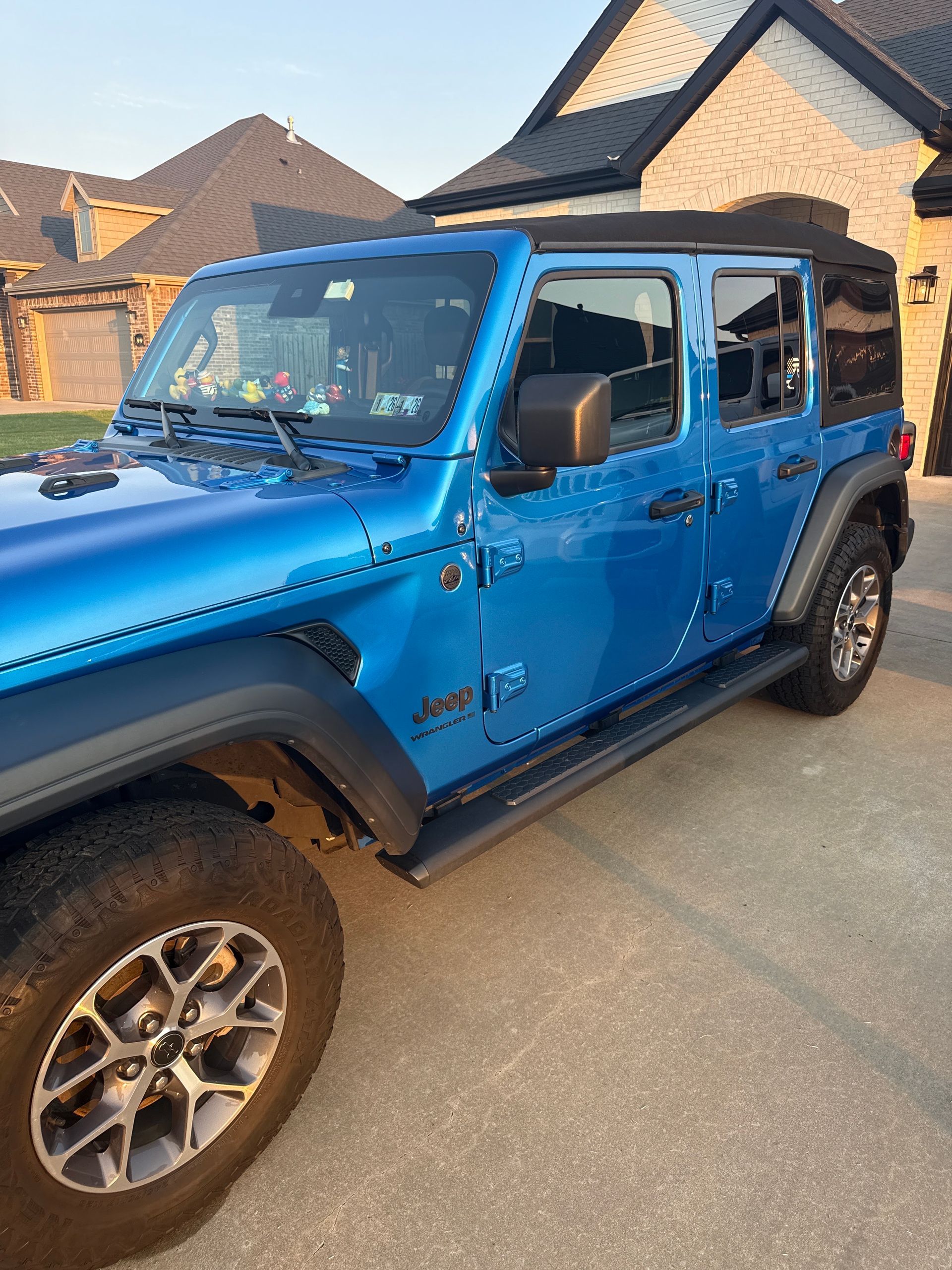
After polishing completes, reflections in the hood and doors appear sharper because the paint surface is more uniform and free from microscopic texture that scatters light. Colors look deeper and more saturated, particularly on darker paint shades that show oxidation more visibly. The improvement becomes most apparent in direct sunlight, where before-and-after differences in gloss and reflection quality are immediately obvious.
Polishing does not remove deep scratches, rock chips, or heavy oxidation that has penetrated beyond the thin surface layer. It maximizes the appearance of paint that is fundamentally sound but cosmetically degraded from routine use and exposure. Pairing enhancement with ceramic coating preserves the improved clarity for years rather than months, since the coating prevents new oxidation and contamination from dulling the refined surface.
Questions Before Starting Your Project
Paint enhancement generates questions about what the process can achieve and how it differs from more aggressive correction methods.
What separates light polishing from full paint correction?
Light polishing removes minor surface imperfections and oxidation using less aggressive compounds and fewer passes. Full correction involves multiple polishing stages with progressively finer abrasives to eliminate deeper scratches and defects, which removes more clearcoat and requires more time.
How does polishing prepare paint for ceramic coating?
Polishing removes oxidation and refines surface texture, which allows ceramic coatings to bond more effectively and maximizes gloss beneath the protective layer. Coating over dull, oxidized paint seals in the degraded appearance rather than improving it.
Why does oxidation happen on vehicle paint?
UV radiation, acid rain, and environmental pollutants gradually break down the clearcoat layer, causing it to lose clarity and develop a chalky appearance. Bentonville's summer sun accelerates this process on vehicles parked outdoors without shade protection.
When should polishing be scheduled?
Optimal timing occurs after decontamination and before protective coating application. This sequence ensures the paint is clean, refined, and ready to receive maximum benefit from waxes, sealants, or ceramic coatings applied immediately after polishing.
What results can realistic expectations include?
Light polishing noticeably improves gloss and reduces minor swirls visible under direct light. It will not eliminate deep scratches, heavy oxidation, or paint damage that extends through the clearcoat. Assessment before work begins identifies which imperfections will improve and which require more intensive correction.
NWA Precision Mobile Detailing tailors polishing intensity to match vehicle condition and customer goals, balancing appearance improvement with clearcoat preservation. Set up an evaluation to review your paint's current state and determine the appropriate enhancement approach before protection products are applied.